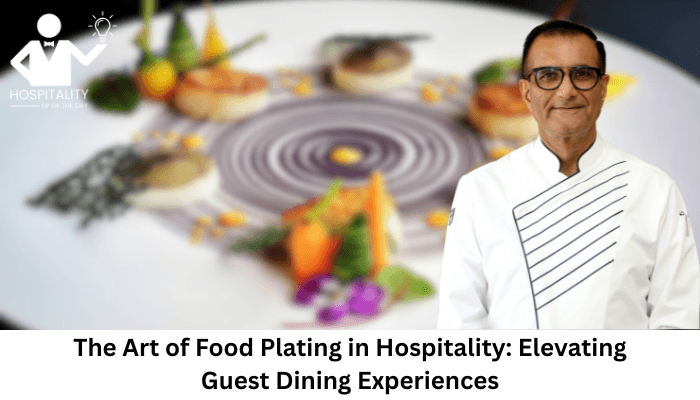
The Art of Food Plating: Turning Every Dish Into a Visual Journey
In travel and tourism, food is more than nourishment—it’s an experience, a memory, and often the most photographed moment of a journey. From luxury resorts to boutique cafés, food plating has become a silent storyteller, shaping how guests perceive taste even before the first bite.
Plating is where hospitality meets artistry. It reflects the chef’s discipline, creativity, and respect for ingredients, transforming a simple dish into a moment worth remembering.
Why Food Plating Matters in Hospitality & Tourism
Before aroma rises and flavors unfold, the eyes judge first. A thoughtfully plated dish sets expectations—of quality, freshness, and care. In hotels and restaurants, strong visual presentation increases perceived value, enhances guest satisfaction, and drives social media engagement.
Modern plating blends culinary science with artistic imagination, turning plates into miniature canvases that communicate emotion, culture, and intent.
Plate Selection: Choosing the Right Canvas
The plate is the foundation of presentation.
Color:
White plates suggest purity and elegance
Black adds drama and contrast
Earth tones evoke rustic warmth and authenticity
Shape:
Round plates feel classic and fluid
Square plates convey structure and modernity
Coupe plates offer creative freedom and negative space
The right plate frames the food without overpowering it—allowing the dish to breathe visually.
Structure & Flow: Guiding the Guest’s Eye
Great plating has movement. The eye should travel naturally across the plate.
Use height to add dimension, but never at the cost of stability
Arrange elements in gentle lines or curves
Choose symmetry for elegance or asymmetry for a modern, expressive feel
Every placement should feel intentional, not accidental.
Color, Texture & Temperature: Creating Sensory Excitement
A memorable plate excites more than one sense.
Combine natural colors for visual harmony
Mix textures—crunchy, creamy, crisp, soft—for contrast
Play with temperature, such as warm proteins paired with cool garnishes
These contrasts keep the dish visually dynamic and emotionally engaging.
Saucing & Garnishing: Less, but Meaningful
Sauces and garnishes should never feel like afterthoughts.
Use sauces with purpose—dots, smears, strokes, or quenelles
Garnishes must add flavor, aroma, or texture, not just decoration
If it doesn’t enhance the eating experience, it doesn’t belong on the plate.
Storytelling Through the Plate
Every great dish tells a story.
Think of ingredients as characters:
The hero: the main protein or centerpiece
Supporting roles: vegetables, purées, grains
Accents: herbs, crumbs, sauces
A story-driven plate has a clear theme, mood, and purpose. Colors, shapes, and textures work together to guide the guest visually and emotionally—creating meaning beyond appearance.
Principles of Strong Plate Composition
Balance: Avoid overcrowding
Contrast: Use varied colors and textures
Focal Point: Highlight the hero ingredient
Hierarchy: Nothing should compete with the main element
Simplicity: Edit ruthlessly and plate intentionally
Creativity thrives within discipline. Overcrowding, gimmicks, sloppy rims, and unclear concepts dilute the impact of even the best ingredients.
Creativity with Purpose
True creativity in plating is never random. It comes from understanding ingredients, technique, culture, and emotion. Inspiration may come from seasons, landscapes, or memories—but it must always enhance flavor, not distract from it.
As emphasized by Chef Rajeev Janveja, Senior VP & Corporate Chef at Lemon Tree Hotels, a successful plate expresses both purpose and personality. It must look appealing, eat comfortably, and tell a clear story.
Final Thoughts
Food plating is not about decoration—it’s about communication. In travel and tourism, where experiences define memories, a well-plated dish becomes part of the destination itself.
When done right, plating elevates flavor, emotion, and value—turning every meal into a visual journey guests will remember long after the trip ends.