
Union Budget Expectations: Hospitality Industry’s Roadmap for Growth, Sustainability & Global Competitiveness
As India prepares for the upcoming Union Budget, the hospitality and tourism sector stands at a crucial crossroads. With travel demand steadily rising—both domestically and internationally—the industry is looking to the government for policy support that can unlock long-term growth, improve ease of doing business, and strengthen India’s position as a global tourism powerhouse.
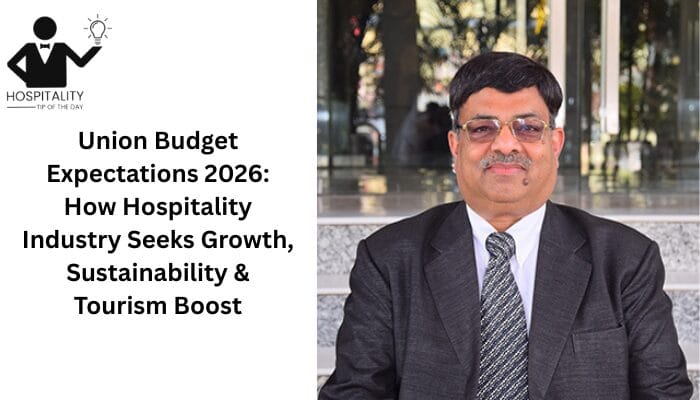
According to Pushpendra Bansal, COO of Lords Hotels & Resorts, the expectations from the Budget are clear, practical, and future-focused—centred on operational relief, investment enablement, sustainability, and stronger connectivity.
Rationalising GST & Simplifying Compliance: Relief Where It Matters Most
One of the hospitality sector’s most pressing demands is the rationalisation of GST and the restoration of input tax credits. High tax burdens and complex compliance structures often divert focus from what hotels do best—delivering exceptional guest experiences.
Streamlining tax structures and easing regulatory processes would reduce financial pressure, enabling hotels to invest more in:
-
Service quality and guest satisfaction
-
Workforce training and people development
-
Digital transformation and smart hotel technologies
Such measures would particularly benefit small and mid-sized hotels, which form the backbone of India’s hospitality ecosystem.
Industry Status for Hospitality: Unlocking Institutional Finance
Granting formal industry status to hospitality could be a game-changer. This move would allow hotels to access institutional funding at lower interest rates, reduce borrowing costs, and plan long-term infrastructure investments with greater confidence.
For growing brands and independent properties alike, easier access to finance means:
-
Faster expansion into new markets
-
Upgraded infrastructure and facilities
-
Greater resilience during economic cycles
Boosting Inbound & Domestic Tourism Through Smarter Policies
On the demand side, simplified single-window visa processes, quicker approvals, and expanded e-visa coverage can significantly enhance inbound tourism. In a highly competitive global travel market, ease of entry often shapes destination choice.
At the same time, targeted measures to promote domestic leisure and business travel would help maintain healthy occupancy levels year-round. This dual focus not only boosts hotel revenues but also supports job creation across urban and rural regions.
Sustainability & Social Impact: Building Responsible Tourism
Sustainability is no longer optional—it is central to the future of travel. The industry is hopeful for incentives that encourage:
-
Energy-efficient and green-certified buildings
-
Renewable energy adoption
-
Water conservation and waste management systems
Support for sustainable food and beverage practices—such as local sourcing and partnerships with farmers and artisans—can further strengthen rural economies while offering guests more authentic, locally rooted experiences.
Connectivity to Tier-2 & Tier-3 Cities: Unlocking New Destinations
Improved air and road connectivity to Tier-2 and Tier-3 cities, emerging leisure hubs, and remote destinations remains critical for balanced tourism growth. Better regional access, enhanced road safety standards, and clearer signage can significantly boost traveller confidence.
Stronger connectivity not only disperses tourism beyond metro cities but also unlocks untapped destinations, spreading economic benefits more evenly across the country.
A Forward-Looking Budget for a Stronger Tourism Ecosystem
With balanced and visionary policy support, India’s hospitality sector can become a powerful engine of economic growth. From large-scale employment generation to community development and global brand building, the industry has the potential to shape a resilient and inclusive tourism ecosystem.
As Pushpendra Bansal emphasises, the right mix of fiscal relief, sustainability incentives, infrastructure development, and travel-friendly policies can help Indian hospitality not just recover—but truly thrive on the global stage.