
Union Budget 2026: A Strong Signal of Growth for India’s Travel & Hospitality Industry
By a travel & tourism SEO content writer with 10+ years of industry experience
India’s travel and hospitality sector has long been a reflection of the country’s economic confidence—and Union Budget 2026 clearly reinforces that belief. With a strong emphasis on infrastructure, connectivity, skilling, and destination-led development, the budget sets a positive tone for sustained tourism growth across the country.
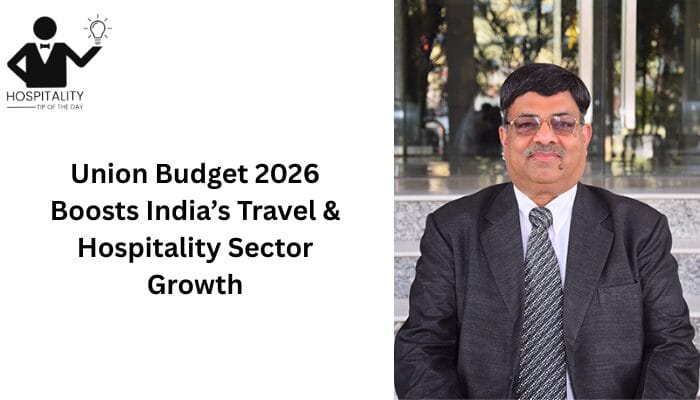
According to Pushpendra Bansal, COO, Lords Hotels & Resorts, the budget demonstrates a steady commitment toward strengthening India’s tourism ecosystem, particularly by improving access to emerging destinations and supporting the broader hospitality value chain.
Infrastructure & Connectivity: Unlocking New Destinations
One of the most encouraging takeaways from Union Budget 2026 is its continued focus on infrastructure development and regional connectivity. Enhanced roadways, expanded railway networks, airport upgrades, and improved last-mile connectivity are expected to significantly boost travel demand—especially in Tier II and Tier III cities.
For travellers, this means:
-
Easier access to lesser-explored leisure destinations
-
Smoother journeys to pilgrimage and heritage circuits
-
Increased comfort and convenience across inter-city travel
For hotels and tourism businesses, improved connectivity translates into new demand pockets, longer stays, and a more geographically balanced tourism economy.
Employment, Skilling & MSME Support: Strengthening the Tourism Backbone
Beyond infrastructure, the budget’s emphasis on economic stability, job creation, and MSME support plays a crucial role in building a resilient hospitality sector.
Key initiatives such as:
-
Tourism skilling programs
-
Training 10,000 tourist guides
-
Establishment of a National Institute of Hospitality
will help create a service-ready, skilled workforce—an essential ingredient for delivering world-class guest experiences.
As consumer confidence grows and employment opportunities expand, travel increasingly shifts from being a luxury to a priority lifestyle choice. Additionally, MSME support strengthens the tourism supply chain, benefiting:
-
Local artisans and vendors
-
Transport operators
-
Small businesses in emerging destinations
Destination Development & Diverse Tourism Segments
Focused investments in sustainable tourism, heritage circuits, and destination development are set to elevate the overall traveller experience. These measures will drive consistent demand across multiple segments, including:
-
Leisure and experiential travel
-
Religious and pilgrimage tourism
-
Destination weddings
-
Business and MICE travel
-
Medical tourism
Such diversification allows hospitality brands to better align with evolving traveller preferences while ensuring year-round occupancy.
Industry Challenges Still Remain
While the intent of Budget 2026 is largely positive, certain operational challenges persist. As highlighted by Mr. Bansal:
-
Input Tax Credit (ITC) for hotels with room tariffs below ₹7,500 has not been restored, continuing to affect budget and mid-scale hotel profitability.
-
The 18% GST slab on premium room tariffs remains unchanged, positioning India among the higher-taxed hospitality markets globally.
Addressing these concerns could further improve competitiveness and investor confidence within the sector.
The Road Ahead: What Can Accelerate Growth Further?
Looking forward, the hospitality industry would benefit significantly from:
-
Simplified visa procedures to boost inbound tourism
-
Formal industry and infrastructure status for hospitality, enabling easier access to long-term financing
Such measures could accelerate private investment, support capacity expansion, and strengthen India’s position as a global tourism hub.
Final Thoughts
Overall, Union Budget 2026 sends a clear, positive signal for tourism-led economic growth in India. With continued government support and strong collaboration between the public and private sectors, the travel and hospitality industry is well-positioned to enter a new phase of sustainable, inclusive expansion—bringing benefits not just to travellers and businesses, but to local communities across the country.