
Budget 2026 Signals a Brighter, More Skilled Future for India’s Hospitality Sector
India’s hospitality and tourism industry stands at a crucial turning point—and Budget 2026 has offered reasons for cautious optimism. With domestic travel on the rise and international tourists rediscovering India’s rich culinary and cultural landscape, the sector is gearing up for its next phase of growth.
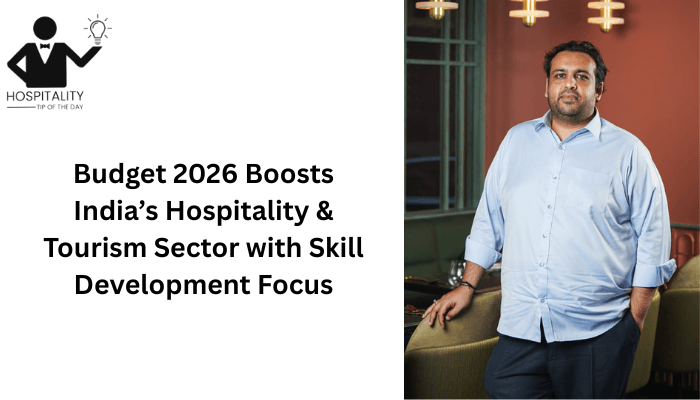
According to Pranav Rungta, Co-Founder & Director, Nksha Restaurant and Vice President, National Restaurant Association of India – Mumbai Chapter, the latest budget moves in the right direction by focusing on people, skills, and service quality—three pillars that define memorable travel and dining experiences.
A Strong Push Towards Skills and Service Excellence
One of the most impactful announcements in Budget 2026 is the introduction of India’s first National Institute of Hospitality. This long-awaited step has the potential to transform how hospitality talent is trained across the country. From hotels and restaurants to cafes and tourism services, structured education can bring consistency, professionalism, and global benchmarks to Indian hospitality.
Equally important is the emphasis on structured skill development for tourist guides. Guides are often the first storytellers a traveler meets—they shape perceptions, influence experiences, and connect visitors to local culture. Investing in their training means better-informed guides, richer narratives, and more satisfied tourists, especially as India targets higher international footfall.
Rising Tourism, Rising Expectations
As both domestic and inbound tourism grow, expectations are rising just as fast. Travelers today seek not just places to stay or eat, but experiences—authentic food, warm service, and seamless interactions. Budget 2026 acknowledges this shift by focusing on workforce readiness, ensuring India can deliver service standards that match global destinations.
The Challenges Restaurants Still Face
While the intent is positive, industry leaders point out that restaurants continue to grapple with structural challenges that affect long-term sustainability. High GST on commercial leases, limited access to export incentives like SEIS, and the need for simpler SME support mechanisms remain pressing concerns.
For a sector that operates on thin margins and employs millions, easing these bottlenecks is essential. Addressing them alongside tourism growth will allow restaurants to reinvest in quality, innovation, and people—ultimately benefiting travelers and locals alike.
Building a Globally Competitive Hospitality Ecosystem
Budget 2026 lays a promising foundation, but the road ahead requires balanced execution. Skill development, institutional support, and policy reforms must move together to create a resilient, sustainable, and globally competitive hospitality sector.
With rising tourism demand and India’s unmatched culinary diversity, the opportunity is immense. If policy support continues to evolve in step with industry needs, India can confidently position itself as one of the world’s most rewarding travel and dining destinations.
In the journey towards hospitality excellence, Budget 2026 marks an encouraging milestone—one that puts people, skills, and service at the heart of India’s tourism story.